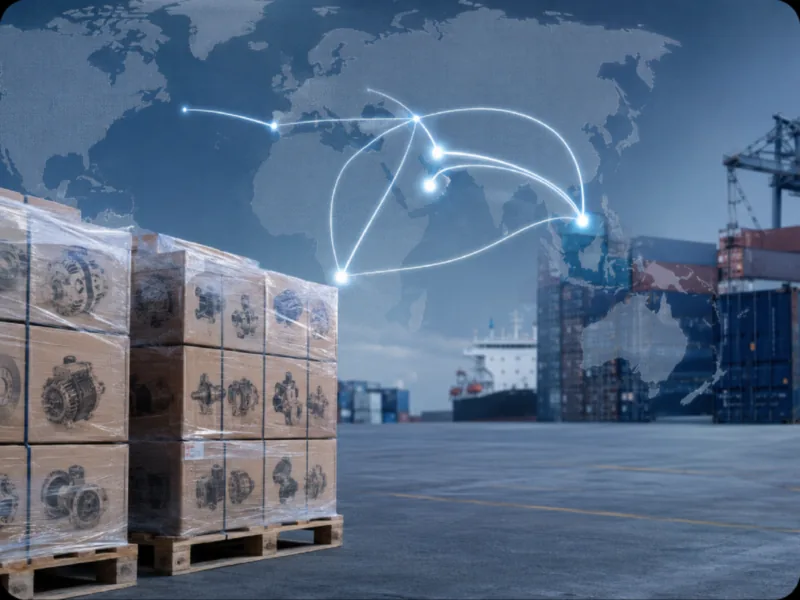
Importing suspension parts from China can be a good way to expand your product range and improve margins. But like any international purchasing, it also requires careful checking before placing large orders.
The first risk is wrong fitment. Suspension parts often look similar, especially control arms, stabilizer links and tie rod ends. Without OE number, chassis code or clear vehicle information, it is easy to choose the wrong item.
The second risk is unstable quality. Product photos may look good, but the actual quality depends on material, rubber parts, ball joint performance, surface treatment and production control. For chassis parts, weak quality may cause noise, poor driving feel or early failure.
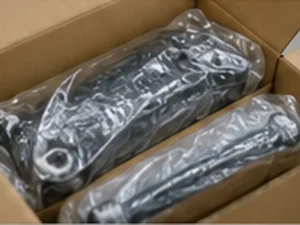
The third risk is packaging. Suspension parts are often heavy. If the packaging is not strong enough, the parts may be scratched, deformed or damaged during shipping. For export orders, good packaging is not optional; it is part of the product value.
To reduce these risks, buyers should work with suppliers who understand OE number matching and vehicle application checking. Before placing a bulk order, ask for clear photos, product details, packaging information and sample support if needed.
For new cooperation, a trial order is usually a safer starting point. It allows buyers to check product quality, packaging and market feedback before increasing order quantity.
Communication is also important. A reliable supplier should reply clearly, confirm details carefully and avoid guessing when information is incomplete.
JASPEEDA supports customers with OE number checking, chassis part matching and export order preparation. Our goal is to help buyers source suitable products with fewer mistakes and more stable cooperation.