
For a new auto parts supplier, a sample order is often the safest first step. It gives buyers a real chance to check fitment, finishing, packaging and communication before placing a bulk order.

Photos are useful, but they cannot show everything. A sample allows buyers to touch the material, test the bushing, check ball joint movement and compare the part with an original sample. For chassis and suspension parts, this can prevent many problems.
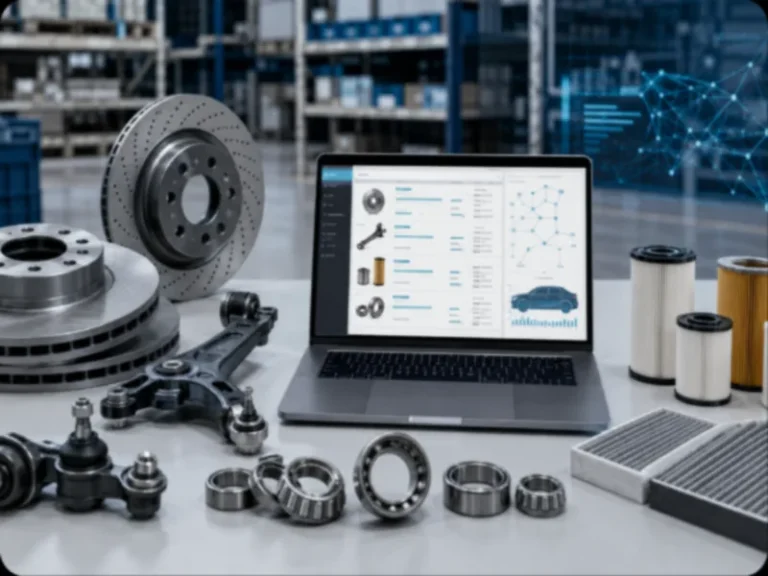
Sample inspection should start with fitment information. Compare the OE number, vehicle application and part position. Then check the physical part: length, mounting holes, bushing size, ball joint direction and overall shape.
Next, inspect quality details. Look at surface coating, rubber condition, welding or casting quality, and whether the part has any visible deformation. If the sample already shows unstable quality, bulk orders may carry higher risk.
Packaging should also be checked. If one sample arrives with damaged packaging, a full shipment may face the same problem. Strong packaging is especially important for heavy chassis parts.
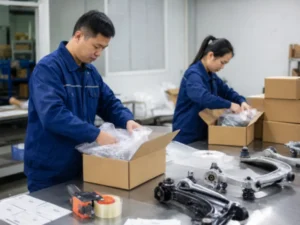
A sample order also helps test supplier communication. A reliable supplier should answer clearly, provide correct information and handle feedback seriously.
After the sample is approved, buyers can start with a trial order before moving to larger quantities. This step-by-step approach reduces risk and builds a more stable business relationship.

JASPEEDA supports sample checking and trial orders for chassis and suspension parts. We believe careful confirmation at the beginning leads to fewer problems later.